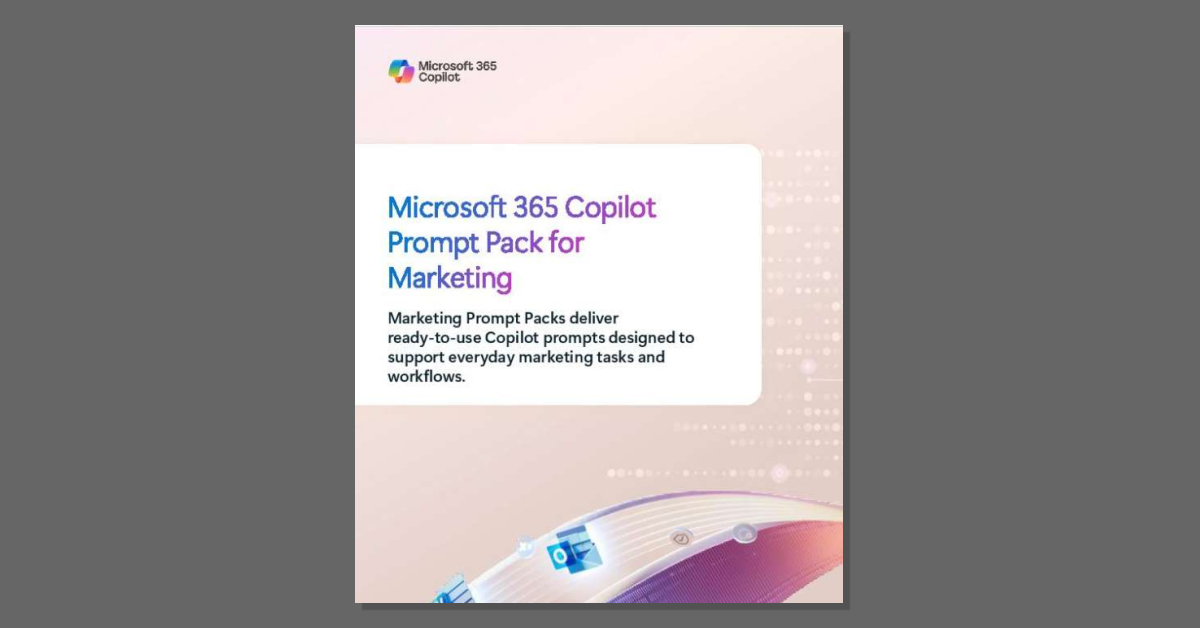
The prompt pack is organized around five core marketing scenarios, each with concrete use cases and example prompts you can adapt to your own files and data.
1. Market and competitive analysis
- Summarize competitive positioning using inputs like competitor overviews, product feature comparisons, and industry insights from the web.
- Identify market shifts and emerging trends by combining industry research reports with social media sentiment analysis.
- Synthesize customer feedback and product usage data to spot recurring themes and recommend actions to strengthen positioning.
- Build a competitive landscape summary deck using competitive insights reports and market share data.
2. Messaging and positioning development
- Draft a messaging framework from product strategy, customer insights, and competitive positioning.
- Translate features into customer-facing benefits using a feature list and customer feedback surveys.
- Build persona-specific messaging from customer market research and audience persona profiles.
- Align messaging with business objectives using business plans, OKRs, and brand voice guidelines.
- Generate positioning statements for competitive scenarios using competitor comparison reports and product spec sheets.
3. Product launch planning and readiness
- Draft a product launch plan from a launch roadmap template, go-to-market strategy, and cross-team planning notes.
- Summarize cross-functional readiness meetings into clear updates with action items, blockers, and next steps.
- Create launch status updates using launch status reports and campaign progress reports.
- Generate checklists and timelines from project plans and launch meeting notes.
- Build a launch readiness summary deck using GTM review meetings and messaging framework guidance.
4. Sales readiness and enablement
- Create seller enablement summaries from product overviews, release notes, and sales enablement guides.
- Draft sales notification emails for upcoming launches using the go-to-market strategy and product launch plan.
- Build competitive response statements from competitor comparison reports and customer success stories.
- Develop internal briefing materials and seller talk tracks using field enablement notes, seller feedback, and messaging frameworks.
5. Metrics, insights, and business impact
- Summarize product launch performance using launch KPIs, adoption data, and seller feedback surveys.
- Identify leading indicators of success from pipeline reports and product usage data (e.g., new opportunities, win rates, active seat growth).
- Analyze messaging resonance using customer engagement data and campaign performance trackers to see which messages or assets drive the highest engagement.
- Create executive impact summaries and performance reports from GTM performance reviews, ROI trackers, and campaign performance data.
In each case, you plug in your own documents and data, then use the example prompts as a starting point to reimagine how your team handles analysis, planning, and reporting.




 Sign in with LinkedIn